
Fuel Monitoring, Theft Detection & Fleet Efficiency
Fuel is typically the single largest controllable cost in any fleet operation — and also the most vulnerable to fraud, waste, and inefficiency. Autotronix Fuel & Fleet Efficiency combines precision fuel tank sensors, real-time consumption monitoring, anomaly detection, and deep analytics to give fleet operators complete control over every litre. Most clients reduce fuel expenditure by 15–25% within 90 days of implementation.
Everything Included
Real-Time Fuel Tank Monitoring
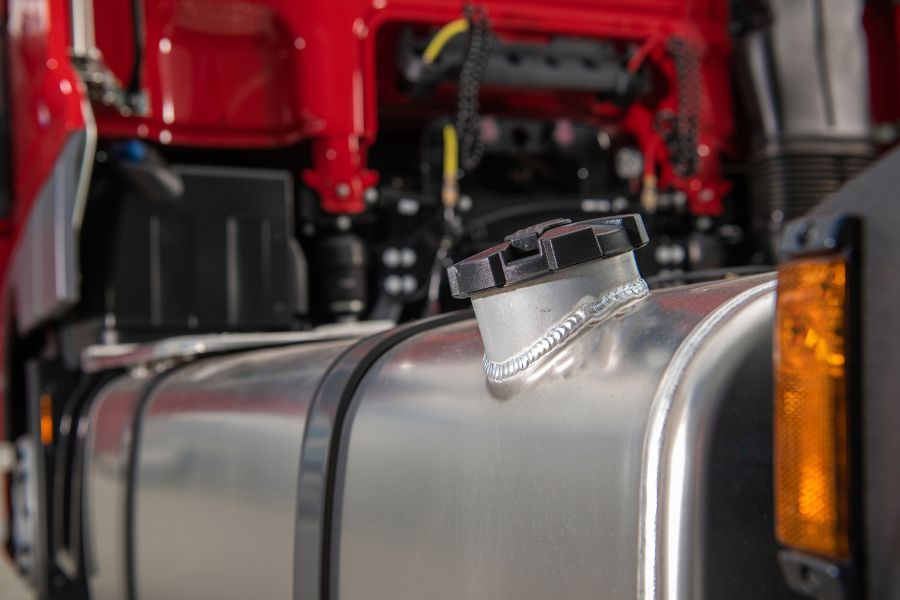
High-precision ultrasonic and capacitive fuel sensors measure tank levels continuously — accurate to within 1–2 litres. Live fuel level data is visible on the Autotronix dashboard alongside GPS position, vehicle speed, and engine status. Refills are detected automatically and logged against location and driver identity.
Fuel Theft & Drain Detection
Any abnormal drop in fuel level — whether siphoning, illegal dispensing, or drain tampering — triggers an instant multi-channel alert. The alert includes GPS location, timestamp, vehicle identity, and the quantity of fuel lost — providing actionable evidence for investigation and insurance claims.
Consumption Analytics
Compare actual fuel consumption against manufacturer benchmarks and fleet averages — segmented by driver, vehicle, route, load type, and operating condition. Identify which drivers, vehicles, and routes are consuming more than expected, and quantify the financial impact.
Fuel Card Reconciliation
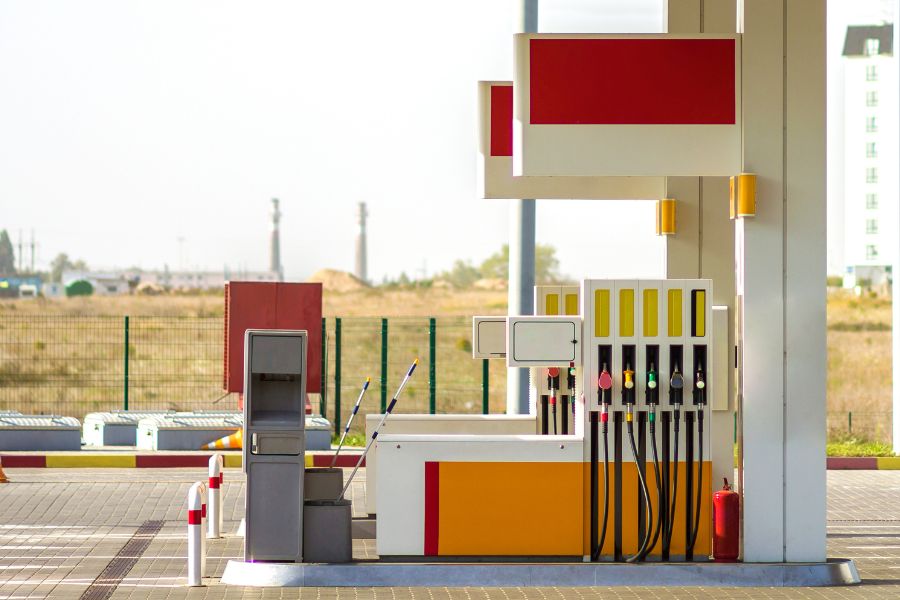
Automatically match fuel card transaction data against actual tank refill events detected by sensors. Discrepancies between card purchases and sensor-confirmed refills flag potential fraud, misuse, or dispensing errors — with a full reconciliation report available at month end.
Idling Cost Analysis
Excessive engine idling wastes fuel, accelerates engine wear, and increases emissions. Autotronix automatically detects and quantifies idling events — showing the fuel cost, duration, location, and driver responsible for each idle event, enabling targeted coaching and policy enforcement.
Vehicle Utilisation Optimisation
Identify vehicles that are underused, over-maintained, or inefficiently routed. Utilisation heatmaps and cost-per-km metrics enable fleet right-sizing decisions — helping you do more with the fleet you have, or rationalise assets you don't need.
Maintenance Cost Integration
Link fuel consumption data to maintenance records to calculate the true, all-in cost per kilometre for each vehicle. Identify vehicles where high maintenance costs and low fuel efficiency signal that replacement is more economical than continued operation.
Executive Dashboards & Reports
Monthly and weekly fleet efficiency reports give financial and operations leadership the headline metrics they need — total fuel spend, cost trends, efficiency benchmarks, and savings achieved — in a clear, boardroom-ready format.
Every Litre Accounted For — Every Saving Captured
Fuel fraud and inefficiency are often invisible without the right systems in place. Autotronix Fuel Monitoring makes every fuel event visible, verifiable, and auditable — creating the accountability that changes driver and management behaviour permanently and delivers sustained cost reductions year after year.
15–25% Fuel Cost Reduction
The industry-verified average for fleets deploying precision fuel monitoring. For a 100-truck fleet spending KES 50M annually on fuel, that is KES 7.5–12.5M in recoverable savings per year.
Elimination of Fuel Card Fraud
Automated reconciliation closes the gap between what is purchased on fuel cards and what actually enters your vehicles — a gap that typically represents 5–15% of fuel spend in unmonitored fleets.
Data-Driven Maintenance Planning
Fuel efficiency data combined with mileage and engine diagnostics enables predictive maintenance scheduling — reducing breakdown costs and extending vehicle lifespan.
25%
Avg. Fuel Saving
1–2L
Sensor Accuracy
Real-time
Drain Alerts
100%
Reconciliation
Implementation Within 2 Weeks
Fuel sensors are professionally installed with minimal vehicle downtime. Platform configuration, report templates, and alert thresholds are set up during onboarding and adjusted to your specific vehicle types and operating patterns.